
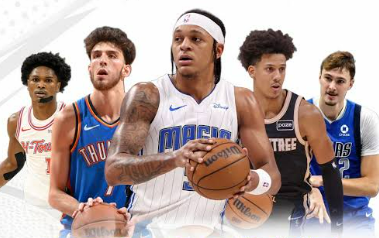
The Next Generation of Basketball Stars Is Changing the NBA
offthesquarenc.com
The NBA is moving through a generational transition, and the next wave of talent is already making its presence felt. Young players are no longer waiting several seasons to become central figures. Many arrive with advanced skills, international experience, professional training backgrounds and the confidence to influence games early in their careers.
From high-profile rookies such as Cooper Flagg and VJ Edgecombe to established young stars such as Victor Wembanyama, the league’s future is being shaped by a remarkably varied group. Their rise is not simply a story about individual highlights. It reflects changes in player development, scouting, tactics and the global reach of basketball.
A new generation is arriving with a broader skill set
For much of the NBA’s history, young players were often expected to specialize before gradually expanding their responsibilities. A traditional center focused on rebounding and protecting the rim, while guards handled the ball and created shots. Those roles have not disappeared, but the modern game increasingly rewards players who can contribute in several areas.
Tall forwards are expected to handle the ball, pass from the perimeter and defend multiple positions. Guards are asked to create advantages without dominating possession. Centers are encouraged to screen, finish above the rim, protect the paint and, when their skill set allows, stretch the floor. The most valuable prospects are often those who can adapt to different lineups and tactical demands.
This environment suits many of the league’s emerging players. Their development has taken place in an era when video analysis, strength and conditioning, specialized coaching and international competition are more accessible than ever. As a result, some rookies enter the league with a more complete understanding of spacing, defensive rotations and decision-making than previous generations had at the same age.
Cooper Flagg and the expectations surrounding young American talent
Cooper Flagg has become one of the most closely watched names in the new generation. Selected by the Dallas Mavericks, the forward arrived in the NBA with a reputation built on high-level competition and an ability to influence the game beyond scoring. His appeal comes from the combination of size, movement, defensive instincts and willingness to make plays for teammates.
Flagg’s development will be measured over more than a handful of standout performances. The NBA schedule is demanding, opponents adjust quickly and young players must learn how to maintain efficiency when defenses target their weaknesses. For Dallas, his long-term value will depend on how consistently he can contribute as a scorer, defender and secondary creator while learning to operate alongside established teammates.
His arrival also illustrates the attention surrounding highly rated American prospects. The college pathway remains an important route into the league, but it now sits within a much wider development system that includes professional academies, international leagues and alternative pathways for elite teenagers.
Victor Wembanyama represents the changing definition of a superstar
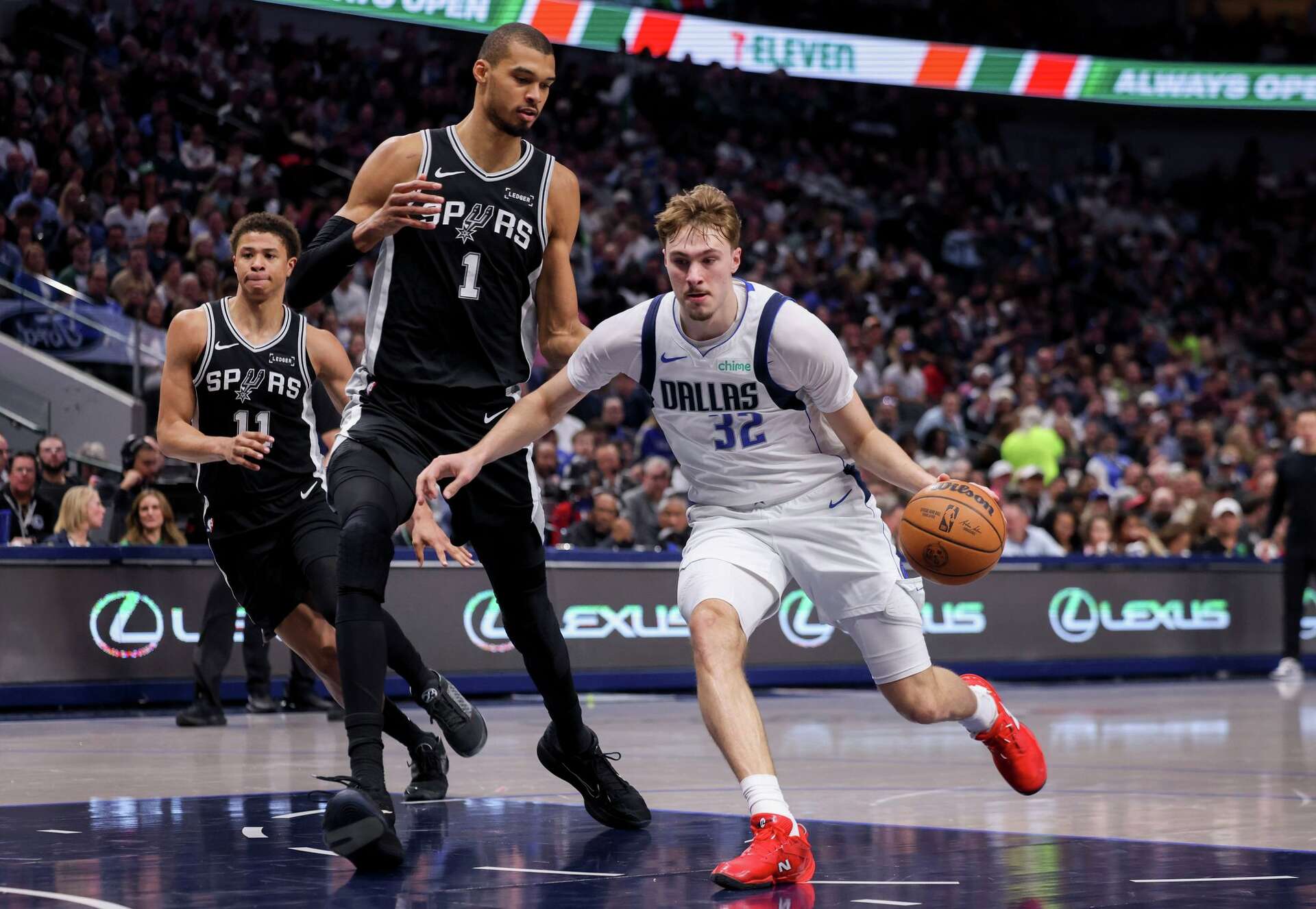
Victor Wembanyama is already more than a prospect. The San Antonio Spurs star has become a leading example of how dramatically the modern game can change when exceptional size is combined with mobility, coordination and perimeter skills. His presence challenges conventional ideas about what a center can do on both ends of the court.
Wembanyama’s influence is not limited to blocked shots or highlight plays. A defender with his length can alter an opponent’s decisions before a shot is even attempted. Offensively, a player who can operate near the basket, handle the ball in space and threaten from distance creates difficult choices for opposing defenses. That combination can reshape how a team builds its roster and designs its offense.
His emergence also demonstrates why international development systems matter. European clubs and national programs have long offered young players opportunities to train in structured environments and compete against older professionals. The pathway from Europe to the NBA is now familiar, and Wembanyama is one of the most visible examples of its potential.
Rookies such as VJ Edgecombe are adding pace and athleticism
VJ Edgecombe is another name from the rookie generation drawing attention. His athleticism, ability to attack space and defensive energy illustrate the premium teams place on players who can change the tempo of a game. A young guard or wing who can pressure the rim, run in transition and defend actively gives a coaching staff options even while his half-court game continues to mature.
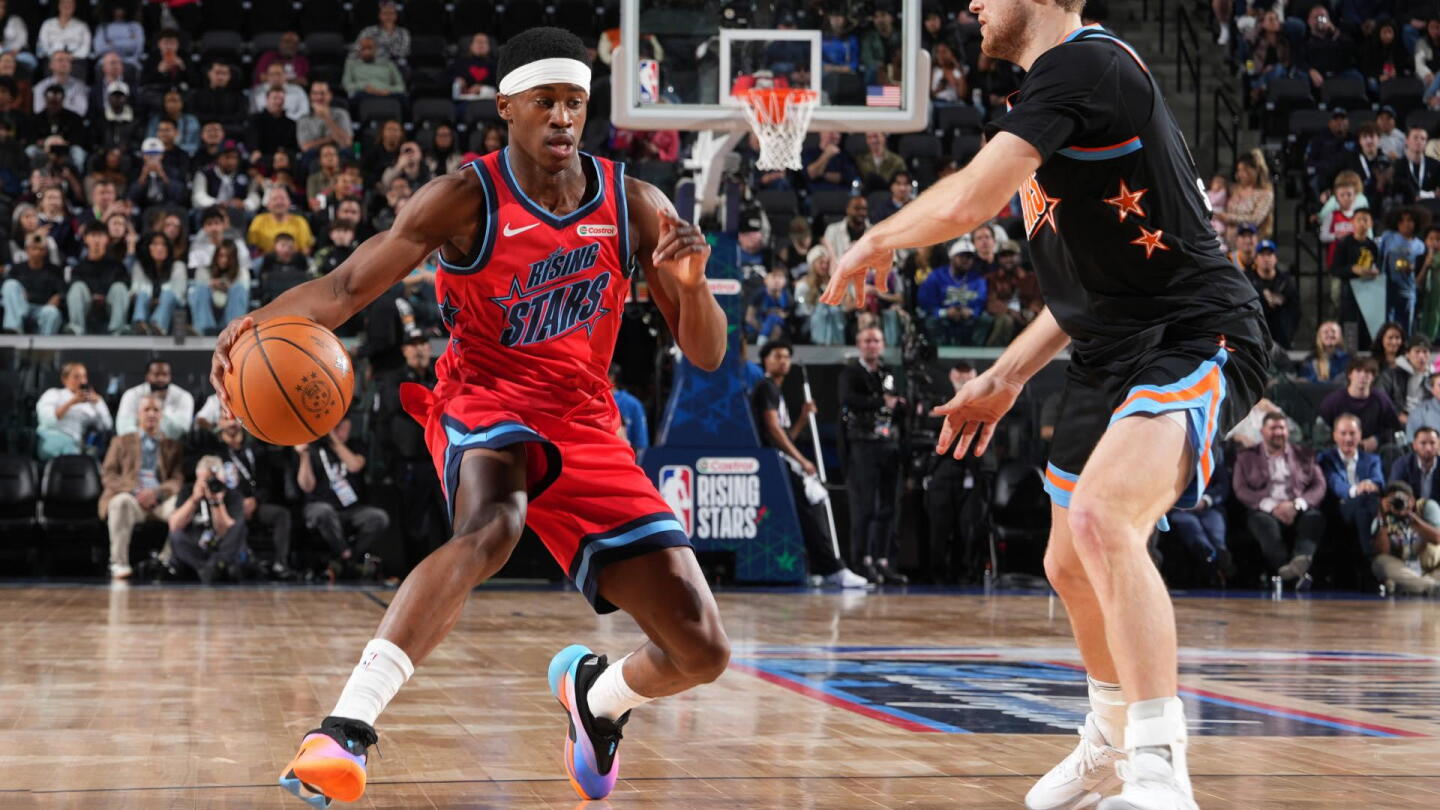
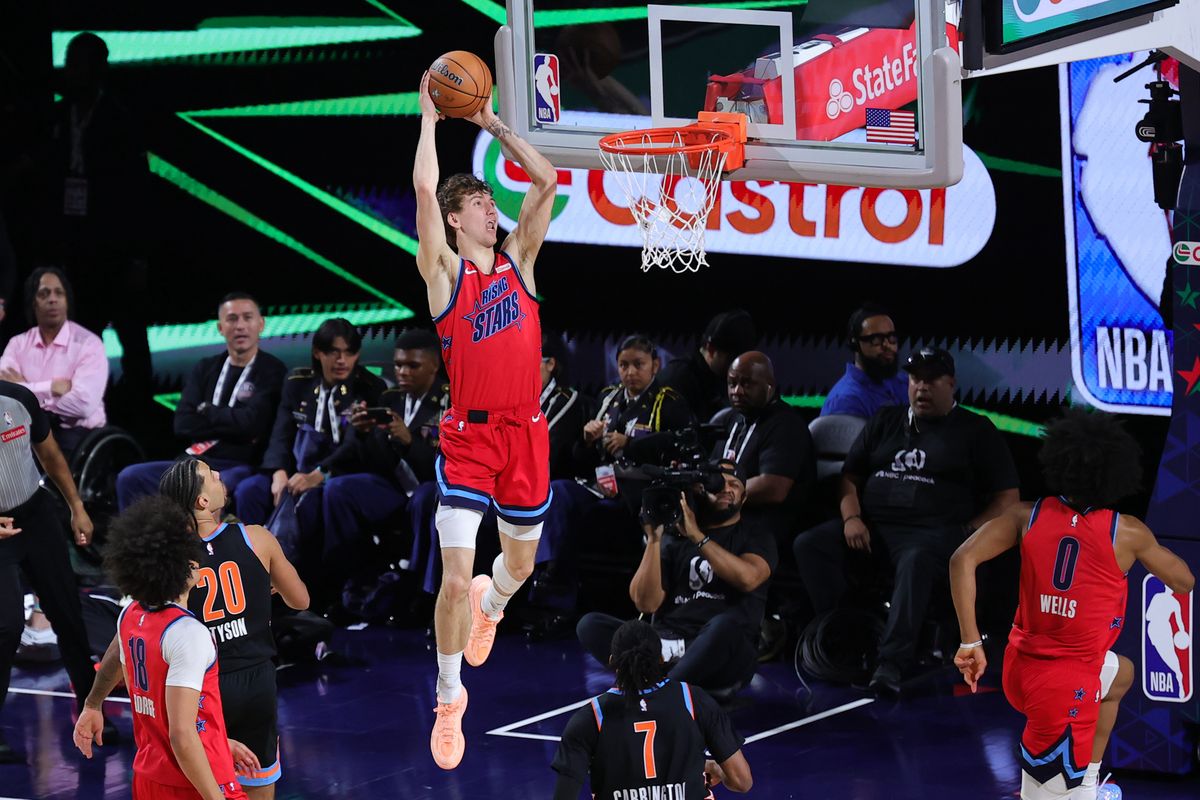
The NBA’s 2026 Rising Stars event brought together rookies, sophomores and G League standouts, offering a snapshot of the talent pipeline. The league’s announcement named Flagg, Edgecombe and Kon Knueppel among the leading selections for the showcase. Such events are not definitive forecasts of future stardom, but they help introduce fans to players who may soon take on larger roles.
Kon Knueppel, Matas Buzelis and the value of versatility
Kon Knueppel’s profile points to another important trend: the value of players who can make quick decisions, space the floor and fit into different offensive combinations. Shooting remains a premium skill, but teams increasingly look for players who can do more than wait beyond the three-point line. Cutting, screening, passing and making the correct read under pressure can turn a specialist into a more complete contributor.
Matas Buzelis offers a different version of versatility. His size and athletic tools fit the modern forward role, where a player may be asked to defend on the perimeter in one possession and contest a shot near the rim in the next. His progress will depend on skill development and consistency, but his profile reflects the direction in which many teams are building their rosters.
For young players, versatility can create opportunities before they become primary scorers. Coaches need lineups that can switch defensive assignments, keep the floor spaced and maintain energy across a long season. Prospects who can fill several roles have more ways to earn minutes and remain useful while their games develop.
The international pipeline is stronger than ever
The NBA’s talent pool is increasingly global. In an October 2026 announcement, the league said opening-night rosters for the 2026–27 season featured 125 international players from a record-tying 43 countries across six continents. The figure underlines how deeply international basketball is embedded in the league’s identity.
That global reach is visible in the range of development routes now feeding the NBA. Some players move through European club systems, others develop in Australia’s NBL, and many combine domestic leagues with national-team competitions. The 2026 draft coverage from the NBA highlighted international prospects from countries including Germany, Spain, Mexico, Italy and Israel. FIBA’s coverage of emerging European talent has also identified a broad group of young players progressing through clubs, colleges and national programs.
International players bring different basketball experiences, but it would be misleading to reduce their success to one style or system. The modern game is interconnected: coaches exchange ideas, players compete across borders and young athletes study the same global highlights. The result is a deeper and more varied pool of talent for NBA teams to evaluate.
How player development is changing
Scouting is now a year-round, international process. Teams monitor prospects in professional leagues, college basketball, youth tournaments and development programs. Video tools allow evaluators to review possessions in detail, while performance data can help identify strengths and areas that need work. These tools do not remove uncertainty, but they can give teams a more complete picture of a player’s habits and potential fit.
Development continues after the draft. Strength programs help players adapt to the physical demands of an 82-game regular season. Skill coaches work on shooting mechanics, ball-handling and finishing. Film sessions teach young players how to recognize defensive coverages and make faster decisions. Just as important, teams must manage workloads and give prospects enough time to learn without placing unrealistic expectations on them.
The challenge is balancing immediate performance with long-term growth. A rebuilding team may offer a young player a larger role, while a contender may ask the same prospect to contribute in a narrower role. Neither path guarantees success. Coaching, health, opportunity and a player’s ability to adjust all matter.
What the next generation means for NBA teams
The arrival of new stars can change a franchise’s direction. A young player who develops into a reliable primary option can influence a team’s roster decisions for years. Others may become valuable defensive specialists, secondary creators or high-level role players. The league needs all of these profiles; not every promising rookie will become an MVP candidate.
Teams must also make difficult decisions about contracts, roster balance and the timing of a rebuild. Investing heavily in youth can create flexibility and a longer competitive window, but it requires patience. A young core may struggle with late-game execution or consistency before gaining the experience needed to compete deep into the playoffs.
For fans, this period creates a compelling mix of established young stars and newcomers. Matchups between players at different stages of development can become defining rivalries, while international competition and the NBA’s growing global audience help connect supporters to prospects from many countries.
The next era will be defined by more than one superstar
It is tempting to search for a single player who will inherit the league from its current generation of icons. The reality is likely to be more complicated. The NBA’s future may be shaped by several stars with different strengths, from versatile forwards and creative guards to unusually skilled big men. Their styles will influence one another, and the league’s tactical trends will continue to evolve in response.
Flagg, Wembanyama, Edgecombe, Knueppel, Buzelis and other young talents are at different stages of their careers, so comparisons should be made carefully. Their paths will depend on health, coaching, team circumstances and sustained improvement. Early promise is meaningful, but it is not a guarantee of long-term greatness.
What is already clear is that the NBA’s next generation is arriving with a global outlook and a broad set of skills. As teams continue to invest in development and search for adaptable players, the league is preparing for an era in which versatility, international influence and tactical flexibility will be central to success. The names may change over the coming seasons, but the transformation is already underway.
Next Article
–The Next Generation of Basketball Stars Is Changing the NBA
–NBA vs. FIBA: What Are the Differences in Playing Style?
–The Global Football Transfer Market Is Entering a New Era of Financial Competition