
Women’s Sports Are Gaining Global Attention and Commercial Power
Women’s sports are moving into a new phase of global growth. Across football, basketball, tennis, athletics and other disciplines, stronger audiences are attracting greater attention from broadcasters, sponsors, investors and event organizers. What was once often described as an emerging opportunity is increasingly becoming a meaningful part of the international sports business.
The change is visible in several ways: more fans are watching competitions, live events are drawing larger crowds, athletes are building influential personal brands, and commercial partners are seeking closer relationships with leagues and teams. Yet the opportunity is not distributed evenly. Some competitions have developed substantial media and sponsorship businesses, while others still face limited coverage, smaller budgets and gaps in professional infrastructure.
The central question for the industry is no longer simply whether people will watch women’s sports. It is how leagues, federations, media companies and brands can turn rising interest into a sustainable system that benefits athletes, fans and the organizations behind the competitions.
Women’s sports are becoming a major commercial opportunity

offthesquarenc.com
Recent market estimates underline the scale of the shift. Deloitte Global said in April 2026 that revenue from elite women’s sports worldwide was expected to reach at least US$3 billion during 2026, up from US$2.4 billion in 2025. The estimate includes commercial, broadcast and matchday revenue. Deloitte identified commercial partnerships as the largest revenue stream, with soccer and basketball expected to be the leading contributors.
These figures are forecasts rather than a final accounting of every league or event. Definitions and coverage can differ between research projects, so headline totals should be read with care. Even so, the direction is clear: more organizations are investing in women’s competitions, and the business is becoming easier for commercial partners to measure.
Growth is being driven by more than one sport or one country. Women’s football has built a larger international profile through major tournaments and stronger domestic leagues. Basketball has benefited from prominent professional and college competitions, recognizable athletes and growing media interest. Tennis has long demonstrated the ability of women’s events to attract global audiences, while volleyball, cricket, rugby and other sports are developing their own fan communities.
Media coverage is a critical part of the growth story
Visibility is one of the most important factors shaping the commercial future of women’s sports. Fans cannot consistently follow competitions if schedules are difficult to find, broadcasts are unavailable or coverage is limited to occasional highlights. Reliable distribution gives audiences a reason to build habits, follow teams and return throughout a season.
Broadcasters and streaming platforms therefore play a central role. More regular live coverage can help competitions reach viewers beyond the people who already attend matches. It also creates a clearer product for advertisers: a known schedule, identifiable audiences and opportunities to connect campaigns with specific events.
However, increased exposure alone does not guarantee a strong media business. Rights holders need to understand which platforms their audiences use, make games accessible across territories and invest in production quality. Consistent storytelling also matters. Profiles, analysis, interviews and behind-the-scenes coverage can help viewers understand rivalries and athletes, rather than encountering a competition only during a final or championship event.
Sponsorship is expanding beyond traditional sports brands
Commercial partnerships are an important source of funding for women’s leagues and athletes. As audiences become more visible to market researchers, brands from sectors such as financial services, consumer goods, technology, apparel and entertainment are exploring sponsorship opportunities.
For companies, women’s sports can offer more than logo placement. Partnerships can support community programs, youth participation, athlete storytelling and campaigns built around a team’s identity. The strongest arrangements are likely to be those that bring useful resources to a competition while respecting the interests of athletes and supporters.
For rights holders, the challenge is to demonstrate value with credible information. Audience research, attendance figures, digital engagement and sponsor outcomes can help explain what a partnership delivers. Leagues should avoid relying on broad claims about growth when they can provide transparent evidence about who is watching, where fans are located and how they engage.
Live attendance gives fans and teams a stronger connection

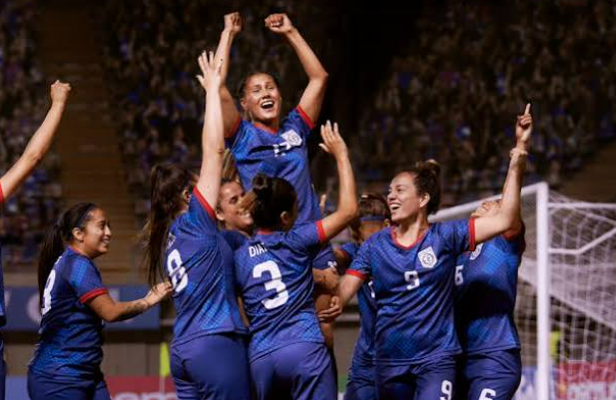
Television and digital audiences are only part of the picture. A lively stadium or arena can create an atmosphere that strengthens a team’s identity and encourages supporters to return. Matchday revenue also gives clubs another source of income through ticket sales, hospitality, merchandise and concessions.
Growing attendance can create practical challenges. Teams need suitable venues, convenient scheduling, safe transport options and ticket prices that do not exclude the communities they want to reach. Some competitions may benefit from larger stadiums for selected fixtures, while others need smaller venues that create a close connection between players and supporters.
Attendance should also be measured over time. A single sold-out event can generate headlines, but a sustainable business depends on repeat visits and a reliable base of local supporters. Clubs that invest in community relationships, youth programs and accessible matchday experiences can build that foundation.
Star athletes are helping build a new generation of fans
Outstanding athletes remain central to the growth of any sport. Their performances create memorable moments, but their influence can extend beyond the field of play. Interviews, social media, documentaries and community work allow fans to connect with athletes as individuals and follow their careers across seasons.
That connection can be commercially important. A recognizable athlete may attract new viewers to a league, create interest in merchandise and help a sponsor communicate with an audience. But a healthy sports ecosystem cannot depend on a small number of stars alone. Leagues need strong teams, competitive balance, compelling rivalries and a steady pipeline of emerging talent.
Investment in coaching, sports science, facilities and development pathways is therefore essential. Young athletes need access to quality training and competition, while professional players need appropriate medical support, travel arrangements and working conditions. These foundations help ensure that growing attention is matched by the quality and stability of the competition.
Global growth is uneven and investment must be long term

North America and Europe currently account for significant portions of the commercial activity identified in major market reports. Other regions have different strengths, audiences and development needs. In some markets, women’s competitions have passionate local followings but limited broadcast distribution. In others, participation is growing faster than professional opportunities or sponsorship infrastructure.
A global strategy should not assume that one league model will work everywhere. Local organizers understand the venues, sports culture, media habits and barriers affecting their communities. International federations and commercial partners can help by sharing expertise, supporting development programs and creating pathways for athletes to compete at higher levels.
Long-term investment is particularly important. A short burst of marketing can create attention, but sustainable progress requires multi-year commitments to teams, facilities, coaching, youth development and media production. Investors should assess the fundamentals of a competition rather than treating women’s sports as a temporary trend.
Challenges remain despite the momentum
Rapid growth does not mean the playing field is already level. Many women’s competitions continue to face differences in pay, facilities, travel conditions, medical resources and media exposure. Some athletes must combine professional sport with other employment, while clubs operate with smaller commercial teams and less predictable income than established men’s competitions.
There is also a risk that attention becomes concentrated around a few high-profile events or athletes. If investment follows only short-term ratings, smaller leagues and less prominent sports may be left behind. The industry needs better data, transparent governance and a broader approach to development so that growth reaches more than the most visible properties.
Commercial success should ultimately support sporting quality and athlete welfare. Fair contracts, safe working environments, access to healthcare and meaningful representation in decision-making are not separate from business growth; they are part of the conditions that make a competition credible and resilient.
What comes next for the women’s sports industry?

The next stage will likely be shaped by how effectively organizations connect audience growth with professional standards. Media companies can make competitions easier to discover and follow. Sponsors can build partnerships that extend beyond advertising. Teams can create better live experiences, while federations can strengthen pathways from grassroots participation to elite competition.
Technology may also help. Streaming services, audience analytics and direct-to-fan platforms can give leagues more ways to reach supporters and understand their preferences. Used responsibly, data can improve scheduling, content strategy and sponsor measurement. It should complement the sporting experience rather than distract from the competition itself.
Women’s sports are gaining global attention because athletes and teams are delivering compelling competition and connecting with fans. The commercial opportunity is real, but it will be measured by more than revenue forecasts or headline sponsorship deals. Its lasting value will depend on whether investment creates stronger leagues, better opportunities for athletes and a richer experience for supporters around the world.
Next Article
–The Next Generation of Basketball Stars Is Changing the NBA
–NBA vs. FIBA: What Are the Differences in Playing Style?
–The Global Football Transfer Market Is Entering a New Era of Financial Competition